

13 Ways A.I. Can Help Manufacturing Companies
13 Ways A.I. Can Help Manufacturing Companies
September 26, 2024
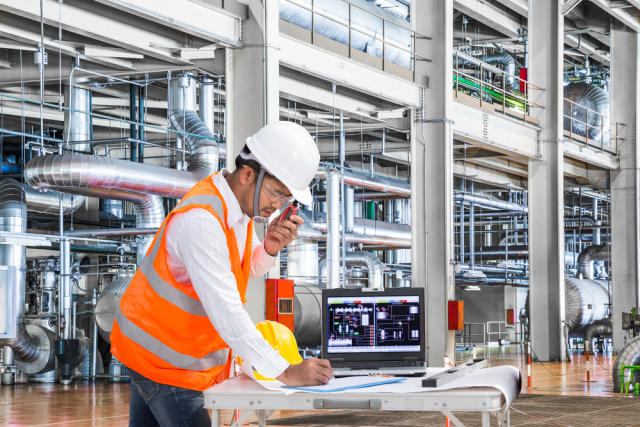
In today’s rapidly evolving manufacturing landscape, AI software has emerged as a game-changer, offering companies unprecedented ways to cut costs, boost revenues, and streamline operations. Custom-developed AI solutions can be tailored to meet the unique challenges faced by manufacturing firms, providing them with a competitive edge. Here are 13 innovative ways manufacturing companies can leverage custom AI software, starting with its powerful impact on customer management, CRM, and sales.
1. AI-Driven Sales Process Automation
- How it Helps: AI can take over repetitive sales tasks such as lead scoring, automated follow-up emails, and accurate sales forecasting, allowing sales teams to focus on nurturing customer relationships and closing deals.
- Impact: Enhances sales team productivity, reduces time spent on administrative tasks, and leads to faster deal closures, ultimately driving higher revenue.
2. Lead Generation & Qualification
- How it Helps: AI algorithms can analyze vast data sets to identify potential leads that closely match your target customer profile. The system can also rank leads based on their likelihood to convert, enabling sales teams to focus on the most promising prospects.
- Impact: Results in better lead quality, higher conversion rates, and more efficient use of sales resources, ensuring your team spends time where it counts most.
3. AI-Enhanced Customer Management & CRM Integration
- How it Helps: By integrating AI with your CRM, you gain the ability to analyze customer interactions, purchase history, and preferences. This insight allows you to tailor interactions, predict future buying behavior, and identify opportunities for upselling or cross-selling.
- Impact: Improves customer retention, fosters loyalty, and increases the overall lifetime value of each customer by offering personalized experiences and more targeted sales efforts.
4. Predictive Maintenance
- How it Helps: AI software can monitor equipment performance in real time and analyze data to predict when machinery might fail or require maintenance. This allows companies to schedule maintenance only when necessary, avoiding unexpected breakdowns.
- Impact: Reduces downtime by up to 50%, lowers maintenance costs, and extends the lifespan of machinery, ensuring production runs smoothly and efficiently.
5. Demand Forecasting
- How it Helps: AI-driven demand forecasting uses historical sales data, market trends, and external factors like seasonality and economic conditions to predict future demand for products accurately.
- Impact: Optimizes inventory management, reduces excess stock or stockouts, and improves cash flow, enabling more informed production planning.
6. Quality Control & Inspection
- How it Helps: Custom AI solutions can be integrated with computer vision technology to inspect products for defects in real-time. These systems detect inconsistencies and anomalies more accurately and faster than manual inspections.
- Impact: Ensures higher product quality, reduces the number of defective items, minimizes rework costs, and improves customer satisfaction.
7. Supply Chain Optimization
- How it Helps: AI can analyze supply chain data to optimize sourcing, inventory levels, and logistics. It identifies bottlenecks, predicts delays, and suggests the most efficient routes for materials and products.
- Impact: Reduces supply chain disruptions, cuts carrying costs, and ensures timely delivery, which helps maintain consistent production flow.
8. Automated Production Planning & Scheduling
- How it Helps: AI algorithms can create dynamic production schedules that adjust in real time based on changes in demand, machine availability, or workforce constraints. This results in more efficient use of resources.
- Impact: Eliminates bottlenecks, maximizes machine utilization, and ensures that production deadlines are consistently met, leading to increased productivity and profitability.
9. Energy Management & Optimization
- How it Helps: AI-driven energy management systems monitor and analyze energy consumption patterns across the facility. The system can make real-time adjustments to optimize energy usage based on production schedules and peak/off-peak hours.
- Impact: Significantly lowers energy costs, reduces waste, and supports sustainability goals, ultimately improving profitability.
10. Automated Defect Detection in Production Lines
- How it Helps: AI-powered cameras and sensors can detect defects on production lines instantly, ensuring that any flawed items are removed from the process before reaching the next stage.
- Impact: Reduces waste, decreases the costs associated with defective products, and ensures a consistently high standard of product quality.
11. Enhanced Robotics & Automation
- How it Helps: AI-integrated robotics can handle repetitive tasks on the production line with greater precision and consistency. These robots learn and adapt to improve performance over time, reducing the need for human intervention.
- Impact: Boosts production speed, reduces labor costs, and maintains consistent product quality, leading to increased output and efficiency.
12. Customized Product Recommendations & Upselling
- How it Helps: AI-driven recommendation engines can analyze customer behavior and preferences to suggest the best product configurations, accessories, or add-ons. This can be particularly effective for manufacturers offering customizable products.
- Impact: Increases average order value, enhances the customer experience, and drives additional revenue through personalized upselling and cross-selling opportunities.
13. Data-Driven Decision Making
- How it Helps: AI software can process and analyze vast amounts of data from production metrics, sales, and supply chain activities, delivering actionable insights for decision-makers. These insights can help identify inefficiencies, optimize processes, and capitalize on opportunities.
- Impact: Enables informed, data-driven decisions, leading to improved operational efficiency, cost savings, and better resource allocation.